I’m buying my first home
Getting into your first place.
The first one is the steepest climb: the deposit, the paperwork, and a market that does not wait. We work out what you can genuinely borrow, get you pre-approved so you can bid with confidence, and stay on the line from offer to settlement.
Talk to an Adviser
From first conversation to keys
-
01
First conversation
We map your income, deposit and timeline, and tell you what is realistic before you spend a single weekend at open homes.
-
02
Pre-approval
We package the application properly and take it to the lender most likely to say yes to your particular situation.
-
03
Offer and conditions
Finance dates, builder reports and valuations lined up so the offer you write actually stands up.
-
04
Settlement
We chase the lender, the solicitor and the dates, so the only thing left for you is collecting the keys.
From first conversation to keys in hand
- Photo ID and proof of your current address
- Three months of bank statements
- Recent payslips or a letter from your employer
- A record of your deposit and where it came from
- Every debt, card and hire purchase, even the small ones
- These are the basic documents needed. Other documents might be required depending on your financial situation.
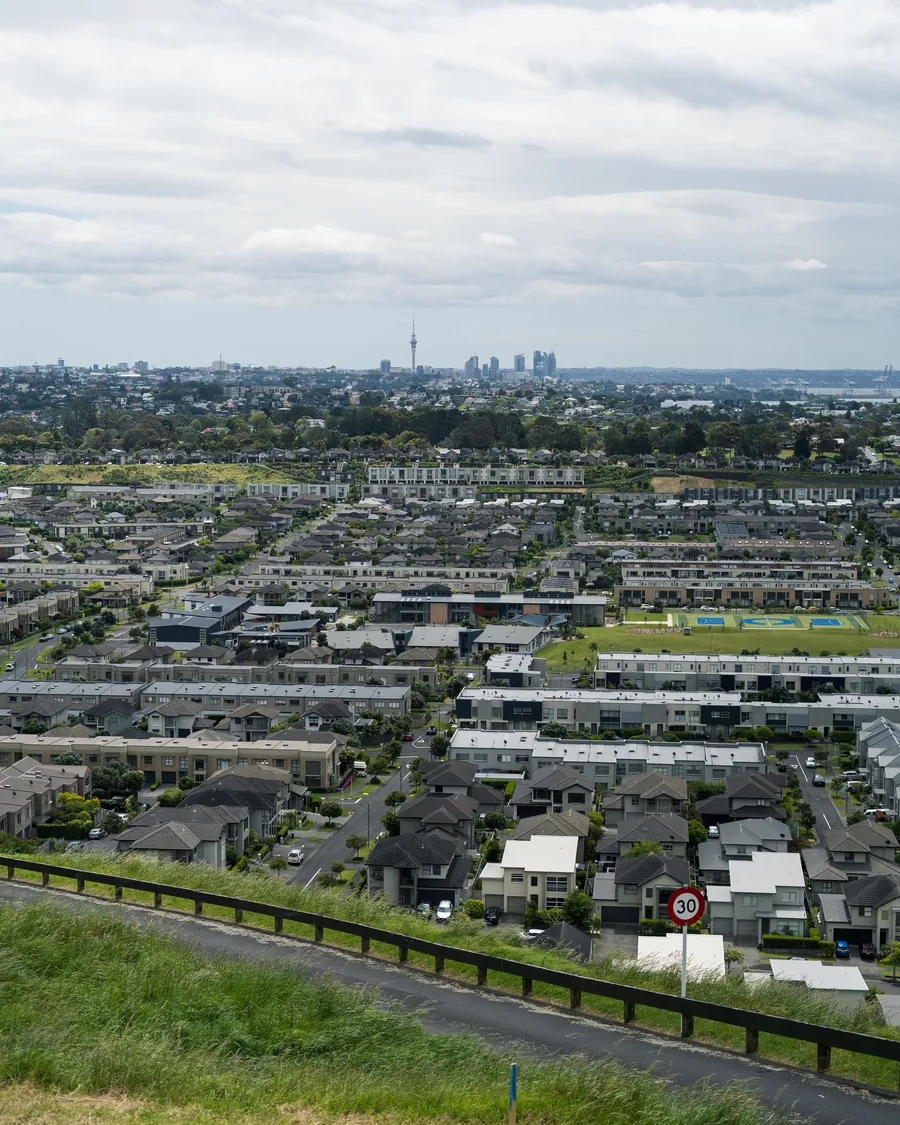
We sit with you and structure the loan so you can pay it off faster, with a lower LVR and a lower interest rate.
First Home, answered
Twenty percent is the number everyone quotes, and it does unlock the best pricing. Lower-deposit lending exists and we place it regularly — it simply costs more, so we show you both and let the numbers decide. Kāinga Ora’s First Home Loan can also help, though eligibility criteria apply.
A single well-prepared application leaves a light footprint. What does damage is shopping the same file around five lenders in a fortnight, which is exactly what we exist to prevent.
Usually around sixty to ninety days. We diary the expiry and renew it before it lapses, so you are never caught mid-negotiation with nothing behind you.
Yes, and it is more common than it used to be. The important work is in documenting ownership and exit up front, while everyone still gets on.