I’m building or developing
Lending that pays out as the build goes up.
Building is a different animal to buying. The money is released in stages, the valuations are done against plans rather than bricks, and the lender wants to see a contract it trusts. We line all of that up before the first pour.
Talk to an Adviser
How a build is funded
-
01
Feasibility
What you can borrow against land plus build, and whether the numbers work before you commission drawings.
-
02
Contract review
We check the building contract against what lenders require, so it is not sent back for rework.
-
03
Approval and drawdown schedule
Funds mapped to your builder payment stages, agreed before anyone breaks ground.
-
04
Through to completion
Each progress payment released on time, then the loan converted to standard lending at the end.
How a build is funded, stage by stage
- A fixed-price contract from a licensed builder
- Full plans, specifications and consent
- A schedule of progress payments
- An as-built valuation
- Contingency of around ten percent of the build cost
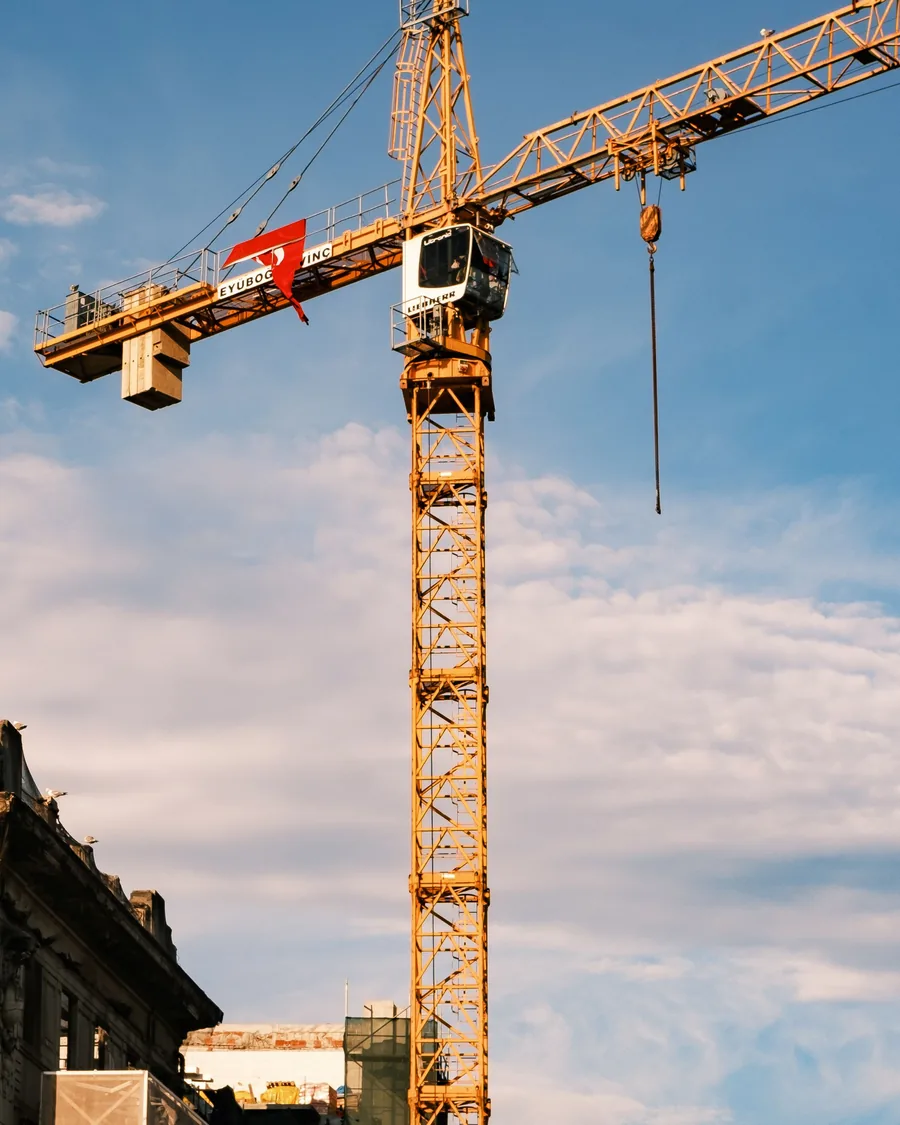
Builds do not stall at the pour. They stall at the fourth drawdown, when the paperwork nobody arranged in month one is suddenly needed in a week.
Construction, answered
With turn-key you pay once at the end, so your cash stays put but the builder carries the risk and prices accordingly. Progress payments cost less overall and require funding at each stage.
No. Interest applies only to what has been drawn, so early in the build the payments are modest and grow as the house does.
This is what contingency is for. Lenders want it in place before approval, because a shortfall mid-build is far harder to solve than one anticipated on paper.
Generally yes, provided they are licensed, appropriately insured and willing to work to a fixed-price contract.